- +91 8377873240
- contact@dialecticfoundation.org
- Mon - Fri: 9:00 - 18:30

Bridging Language Gaps for Justice and Education
In a country as diverse as India, language should never decide who gets access to education, opportunity, or justice.
But today, a simple gap — not understanding English — keeps millions of students, parents, and citizens away from information that affects their lives.
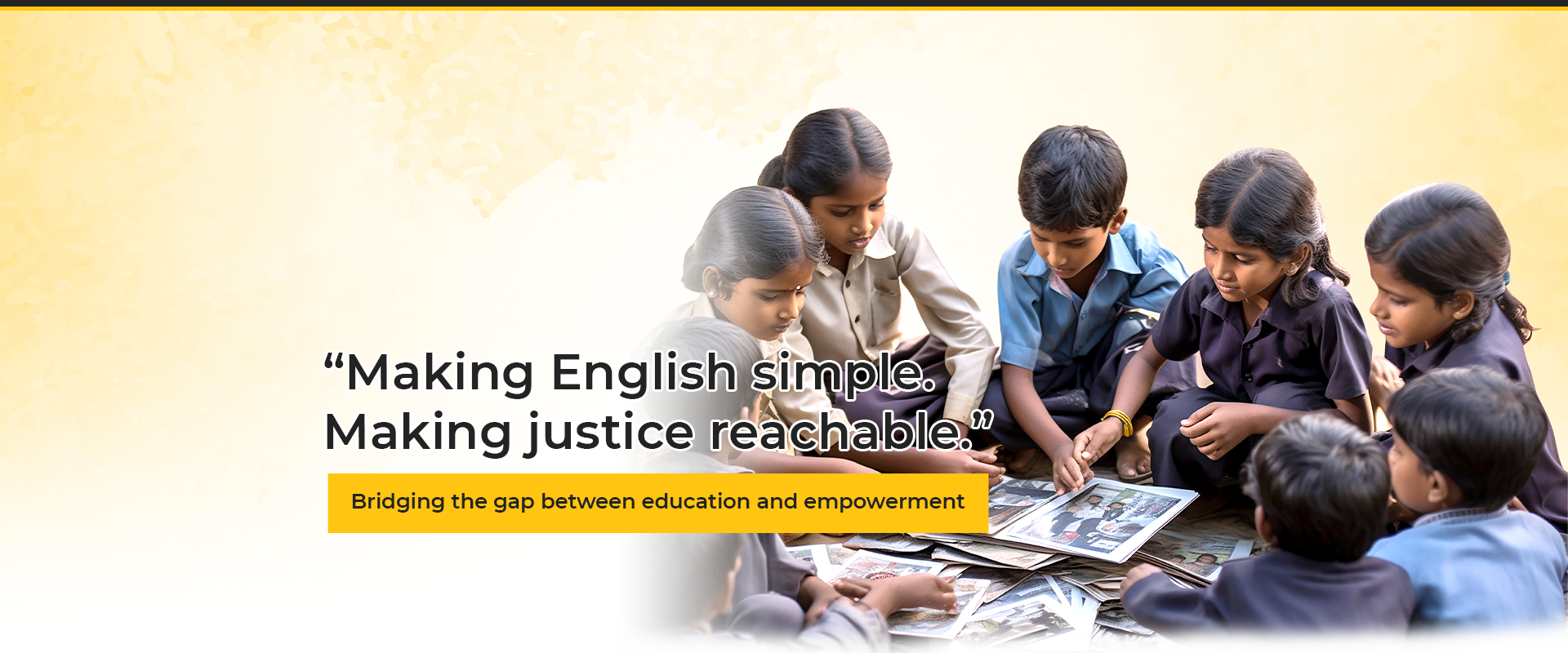
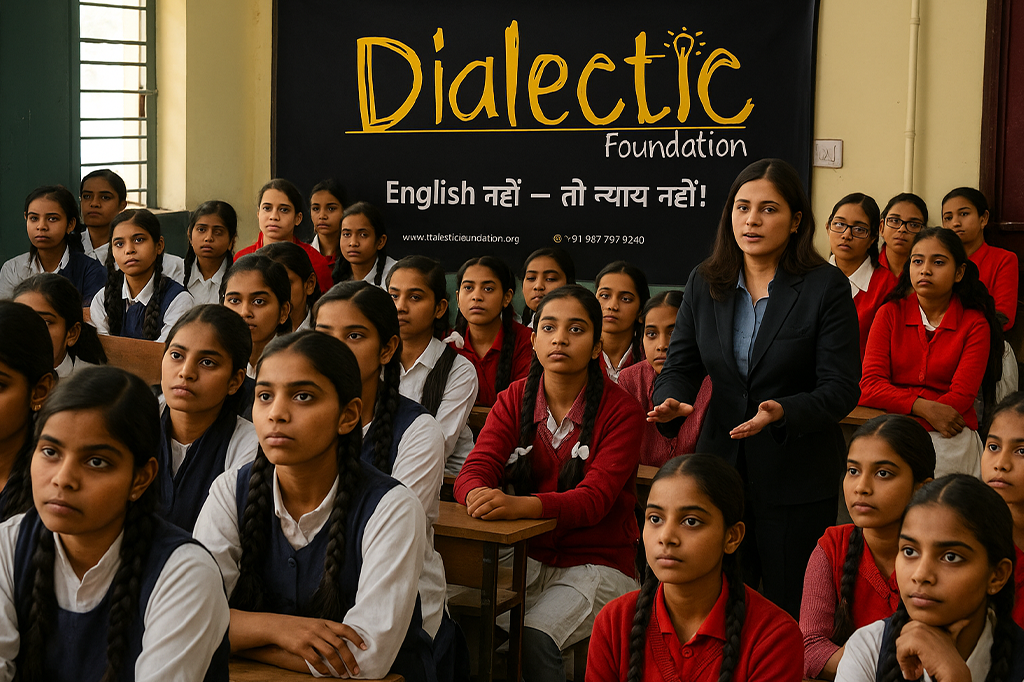
The Dialectic Foundation was created to bridge this gap. We work with government schools, teachers, students, and communities so that people can understand the systems they live in — from classrooms to courts.
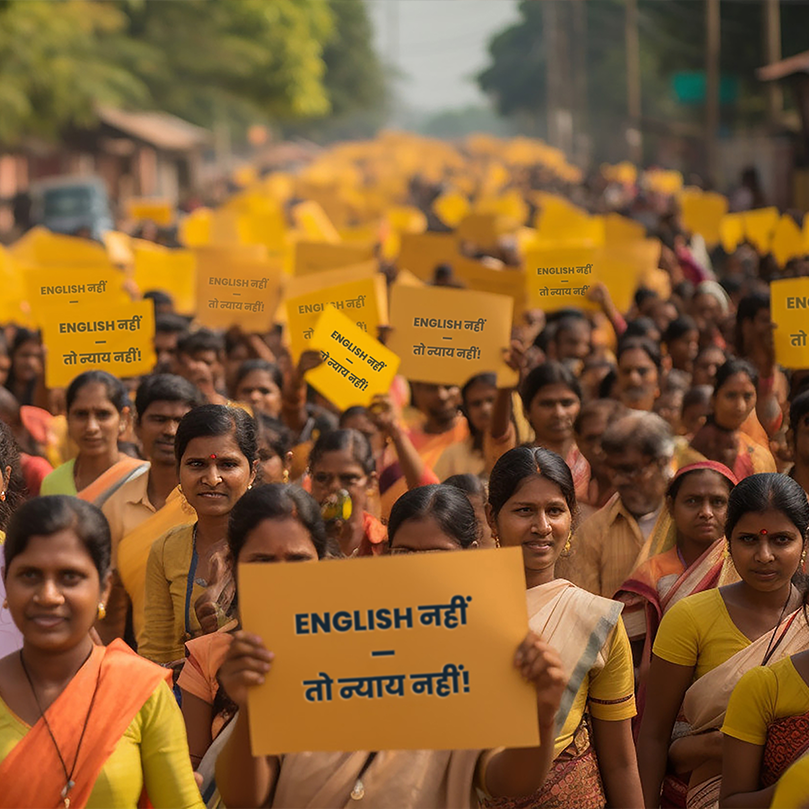
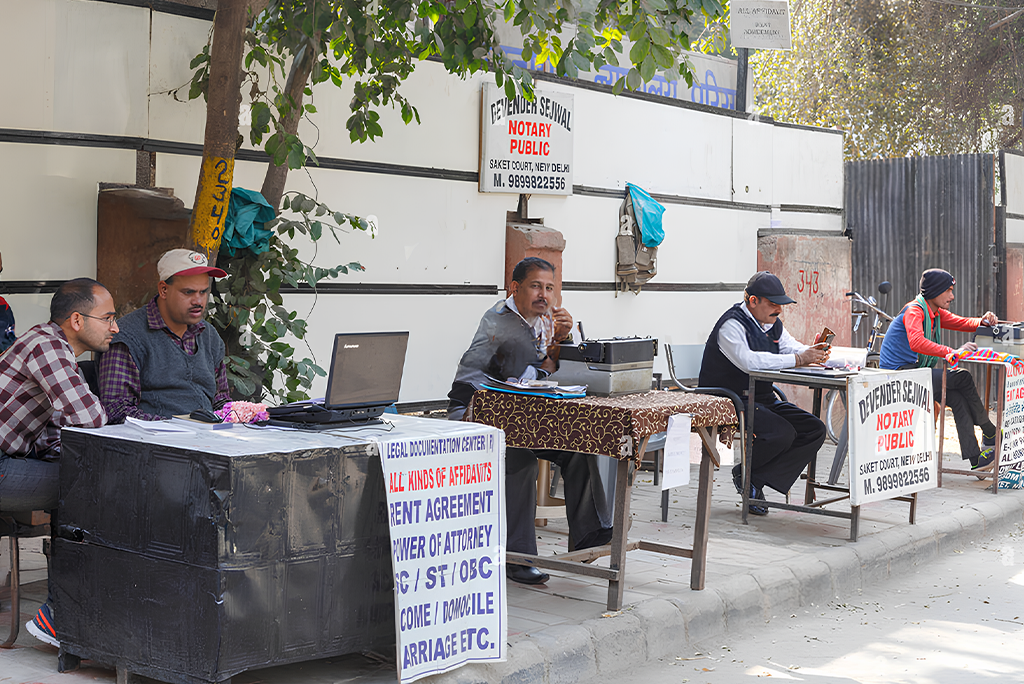
Because in India, many important laws, rights, and even court proceedings are still in English (as per Article 348). And that is where the invisible barrier begins.
Our belief is simple:
“Education builds confidence. Language builds access. Together, they build justice.”
All proceedings in the Supreme Court and in every High Court shall be conducted in the English language, until Parliament by law otherwise provides.
Goal: Justice speaks in English — we teach so every voice can be heard
The authoritative texts of all Bills, Acts, Ordinances, Orders, Rules, and Regulations at both the Union and State levels shall be in English.
Goal: “When justice speaks in English, we help the people understand its voice.”
All proceedings in the Supreme Court and in every High Court shall be conducted in the English language, until Parliament by law otherwise provides.
Goal: Justice speaks in English — we teach so every voice can be heard
The authoritative texts of all Bills, Acts, Ordinances, Orders, Rules, and Regulations at both the Union and State levels shall be in English.
Goal: “When justice speaks in English, we help the people understand its voice.”
The Constitution allows India to use both Hindi and English for official purposes (Articles 343–344), but courts and many government systems continue to function mainly in English (Article 348).
This language gap silently creates inequality.
We are here to fix that gap. Language should connect people with justice — not separate them from it.
Free community-based English learning programs (“English for Justice” classes). Online/offline courses focusing on court vocabulary, rights awareness, and legal forms.“Know Your Rights” language sessions in regional and tribal areas. Training school & college youth in English communication for legal understanding.
Translate important judgments, laws, and Acts into simple Hindi or regional languages. Organize “Legal Awareness Camps” in collaboration with District Legal Services Authorities (DLSA). Create audio-visual or poster materials explaining rights under Articles 14, 21, and 39A. Conduct “Language and Justice” workshops in rural schools and panchayats.
Provide free English legal writing & speaking training for young advocates from small towns. Partner with law colleges to organize Legal English skill-building seminars. Offer scholarships or stipends for rural advocates to attend English-judicial training programs. Create a Legal Language Fellowship program under your NGO.
Whether you are a student, professional, teacher, or citizen — you can be part of this change.

Teach, mentor, or support our sessions.

Help us reach more schools and communities.
Work with us to take awareness to new districts.
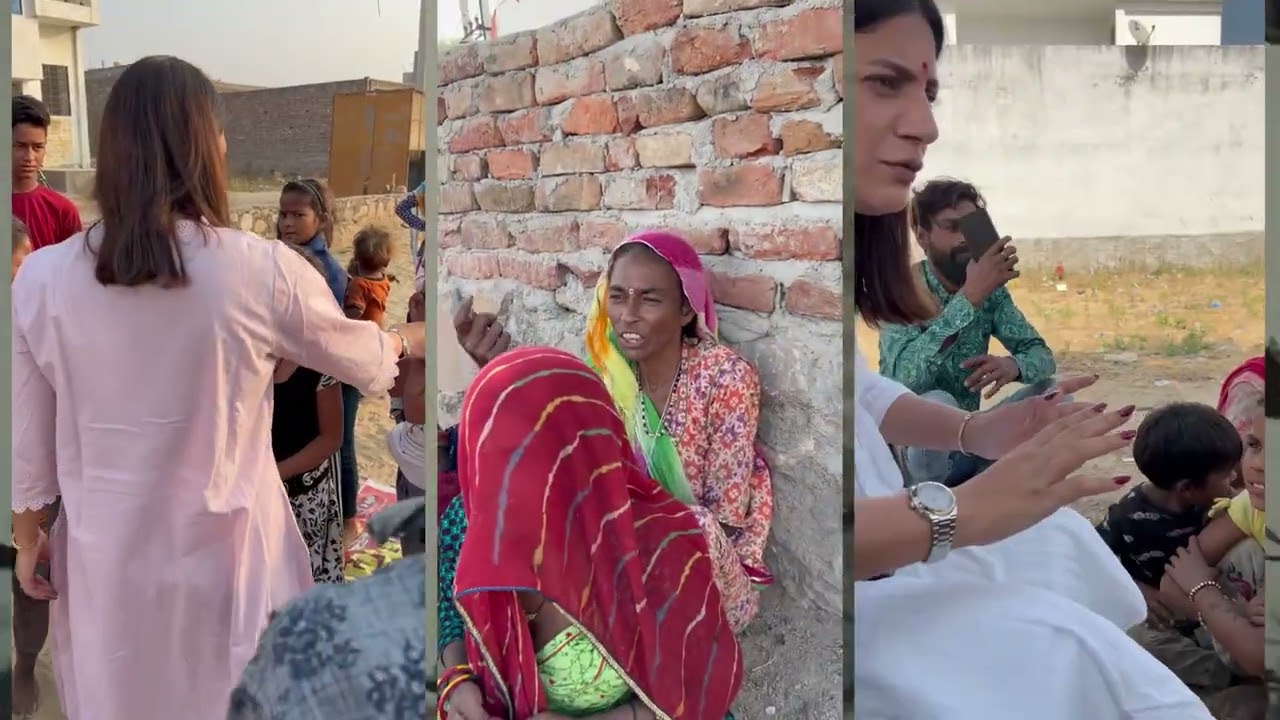
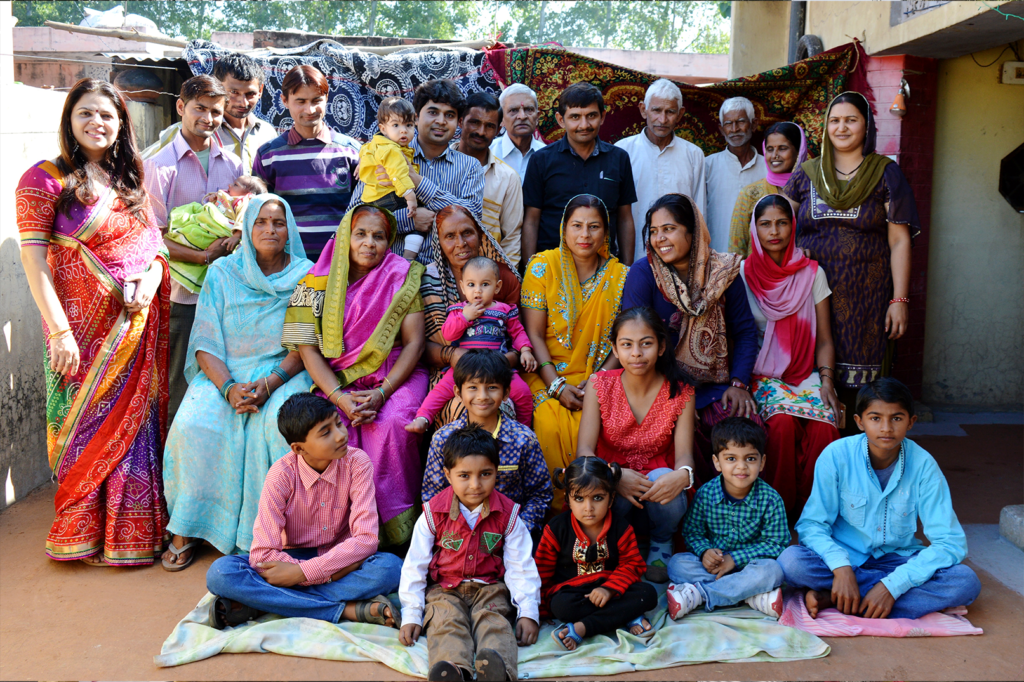
We are a group of educators, lawyers, social workers, youth leaders, and grassroots trainers united by one belief: Language should open doors, not close them.
Every person on our team has seen the struggle up-close — a parent afraid to sign a form, a student confused by exam instructions, a teacher worried about pronunciation. This empathy shapes our work.