Building bridges between language, education, and justice in India
Our Story
Our Mission
In India, people don’t suffer because they don’t have rights. They suffer because they can’t understand them.
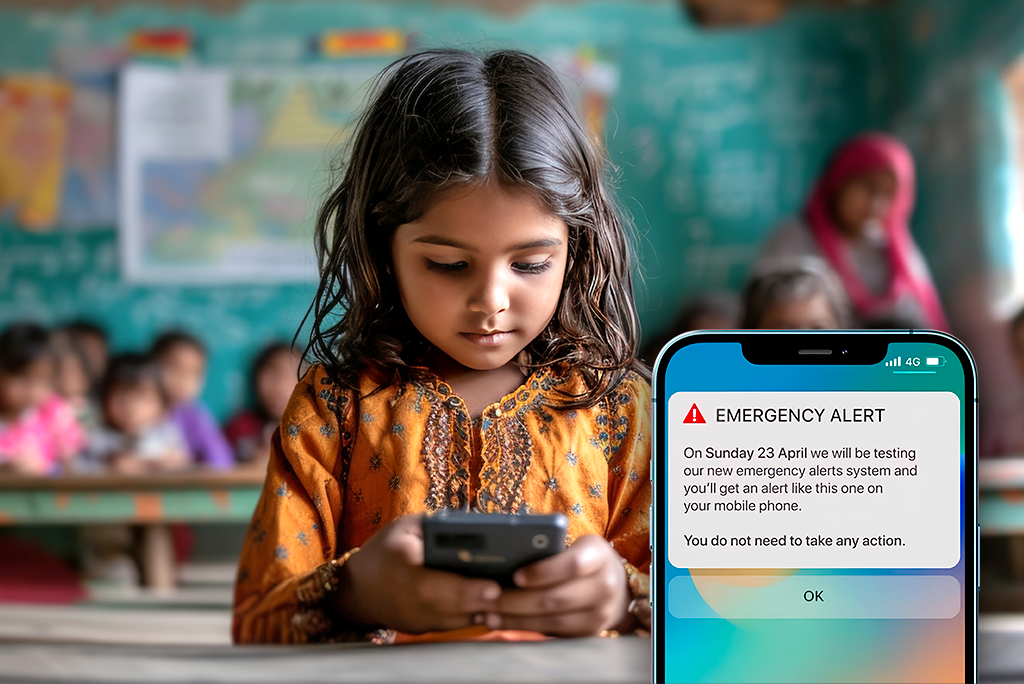
A mother receives a government notice but can’t read the English on it.
A student dreams of UPSC but faces setbacks because the books are in English.
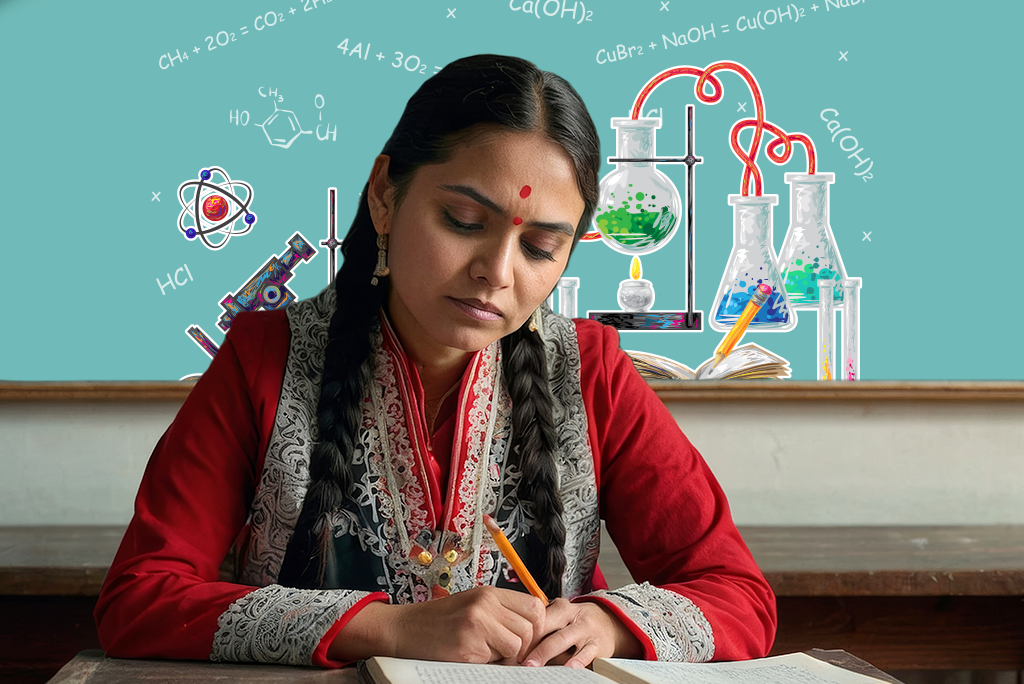
A teacher wants to explain a science chapter but struggles with the language.
A young boy becomes a victim of a digital scam because he didn’t understand the warning written in English.
None of them are less intelligent. None of them lack potential.
They only lack access — access to the language of opportunity.
This is where The Dialectic Foundation began
Our founders saw a simple truth: if people can understand the systems they live in — from classrooms to courts — they can demand justice and live with dignity. The Constitution, through Articles 343-351, allows India to be multilingual. But it also clearly states that courts function mainly in English (Article 348). Because all documents related to law, and many government functions, are in English, the language barrier becomes an invisible yet very real obstacle.
This means that English isn’t just a language — it’s a gateway. And for millions, that gateway feels shut. So we started with a core belief: if people can understand the language of their systems, they can understand their own power. And that belief has guided everything we do.
Our Purpose
Why We Exist
India has 22 official languages, hundreds of mother tongues, and countless dialects. But when it comes to education and justice, English quietly becomes the deciding factor.
This gap is not just education — it is emotional, social, financial, and political. We exist to break the silence.
A Child Future
A Citizen Rights
A Teacher's Confidence
A Family Safty
A Youth Dreams
"We don’t teach English to make people “elite”. We teach English to make people equal, to ensure everyone can participate in discussions, access important rights, and realize the rewards of their labor."
Our Mission
To strengthen English language and communication skills — especially in government schools and underserved communities — so every person can understand
Their education
Their digital world
Their opportunities
Their path to justice
We build confidence first, skills next. We’re in the field, not the classroom.
Our Vision
All with access:
Teachers have confident in their classrooms
Students don't hesitate to speak
Citizens don't fear reading official forms
Families can understand their rights
Youth can access national language curricula
Everyone feels connected to the systems around them
An India where language does not divide people — it connects them.
Education is the first step to justice
If you cannot understand what is being said, you cannot understand your rights or opportunities.
Teachers are the real changemakers
When a teacher learns, students and families learn confidence.
Legal knowledge is not only for lawyers.
It belongs to everyone — to every group, people who feel excluded and need clarity.
Digital safety is today's essential skill
Scams, deception, and violence can trap people who cannot access English warnings.
Language should empower intimidate.
We don't teach "perfect English". We teach enough English — the kind that helps you read, speak, understand, and act.
What We Believe
Education is the first step to justice
If you cannot understand what is being said, you cannot understand your rights or opportunities.
Teachers are the real changemakers
When a teacher learns, students and families learn confidence.
Legal knowledge is not only for lawyers.
It belongs to everyone — to every group, people who feel excluded and need clarity.
Digital safety is today's essential skill
Scams, deception, and violence can trap people who cannot access English warnings.
Language should empower intimidate.
We don't teach "perfect English". We teach enough English — the kind that helps you read, speak, understand, and act.
Our Team
We are a group of educators, lawyers, social workers, youth leaders, and grassroots trainers — all united by one belief: language should open doors, not close them.
Every person on our team has seen the struggle up close — a parent afraid to sign a form, a student confused by exam instructions, a teacher worried about pronunciation. This empathy shapes our work.
How We Work
We go to places where help is needed most:
Government schools
Rural communities
Low-income neighbourhoods
Digital-safety vulnerable groups
Youth groups preparing for national exams
Our training style is simple
✖️ No judgment
✖️ No complicated grammar
✖️ No marks or testing
✔️ Only confidence and understanding
We teach English in a way that feels natural, warm, and possible. Because language is not a subject. It is a lifeline.
What "Dialectic" Means to Us
Dialectic means dialogue — the power of conversation. We believe that real change happens when people can: